Cultivating Change: Embracing Sustainable Farming Practices for a Greener Future
In the face of rapid climate change, shifting consumer preferences, and a growing global population, the farming landscape is undergoing a profound transformation. It's not just about crops and livestock anymore; it's about rethinking how we engage with the land, our communities, and the food we produce. Are you ready to explore the realm of sustainable farming practices? In this journey, we'll delve into key strategies that will help you revamp traditional agriculture methods, turning your fazenda into a model of sustainability. From crop rotation to eco-friendly farming technologies, we aim to create an agricultural future that is both productive and sustainable.
At the heart of sustainable farm management lies the principle of balance. Picture a farm where crops flourish and livestock thrive, coexisting in a harmonious ecosystem. That's the essence of permaculture and agroecology, approaches that promote biodiversity and ensure long-lasting productivity. For instance, by implementing crop rotation and cover cropping, farmers can enhance soil health, naturally suppress pests, and improve yield. Imagine walking through your fields, witnessing the symbiotic relationship between plants and soil, and knowing that your farming practices protect the environment as much as they boost your farm's productivity. How do you think adopting such sustainable agriculture practices could change the outlook of your farming operation?
Rural communities around the world are looking towards sustainable farming as a vital means of restoring not only their lands but also their livelihoods. Community-supported agriculture (CSA) initiatives thrive on this principle of direct connection between farmers and consumers. By creating a community around your farm, whether through a farmer's market or subscription model, you can deepen consumer trust and foster a mutual commitment to sustainable farming. Picture your customers eagerly anticipating fresh, organic produce straight from your fields—doesn’t that sound rewarding? It's an excellent way to navigate the changing tides of agribusiness while also creating a loyal customer base eager for eco-friendly products.
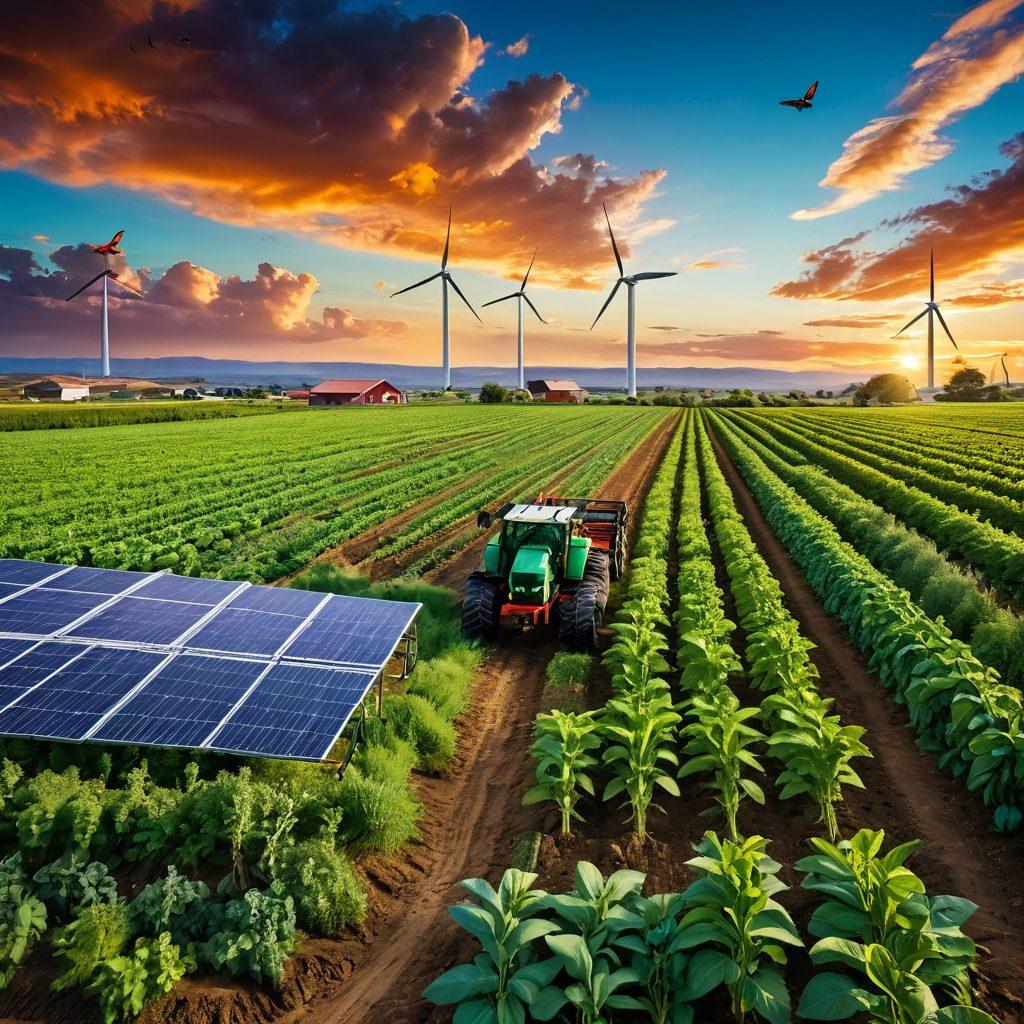
When it comes to modern farming techniques, the integration of technology cannot be overlooked. Agriculture technology is now enhancing traditional practices in ways we never thought possible. Precision farming utilizes data-driven approaches to optimize crop yields, manage resources wisely, and minimize environmental impacts. Imagine using drones to monitor irrigation systems or employing software that predicts pest outbreaks—how could these tools reshape your farm management? The integration of these innovations with traditional methods can pave the way for a farming revolution that echoes the principles of sustainability and efficiency. Let's not forget the importance of farm education: equipping ourselves with knowledge about sustainable practices ensures that we can adapt and thrive.
In summary, transforming traditional agriculture into a model of sustainable management is not just a possibility—it’s an obligation. By committing to practices like organic farming, effective soil management, and innovative agricultural technology, we set the stage for a greener future. Everyone involved in farming, from livestock keepers to vegetable farmers and ranchers must consider their impact on the environment and contribute to agricultural sustainability. Whether you’re managing a small farmstead or a larger operation, there are actionable steps you can take to integrate sustainable practices. Let’s galvanize our dedication to eco-friendly farming and generate a change that pulses through our communities, ensuring that future generations can continue to thrive on this land we cherish. Are you prepared to embrace this challenge?
From Crops to Livestock: A Comprehensive Guide to Eco-Friendly Farming Techniques
In a world where environmental concerns are at the forefront of societal discussions, the need for sustainable farming practices has never been more critical. Picture a vibrant fazenda, lush with diverse crops and thriving livestock, where eco-friendly farming techniques come alive. How can we transform our traditional agriculture into something that not only feeds our communities but nurtures our planet? This comprehensive guide dives deep into the world of sustainable farming, exploring practices that can help cultivate a greener future.
Let’s start with the heart of farming: the crops. The age-old practice of crop rotation is a vital element of sustainable agriculture, promoting soil health and reducing the likelihood of pests. Have you ever wondered how farmers manage to reap bountiful harvests year after year? By rotating their crops, they prevent nutrient depletion and enhance biological diversity within their fields. From vegetable farming to herb cultivation, each crop contributes uniquely to the ecosystem, revealing the intricate tapestry of nature’s design. Furthermore, adopting precision farming techniques allows farmers to utilize agricultural technology to monitor soil health, optimize irrigation systems, and even manage pests more effectively, leading to an efficient and sustainable farm management plan.
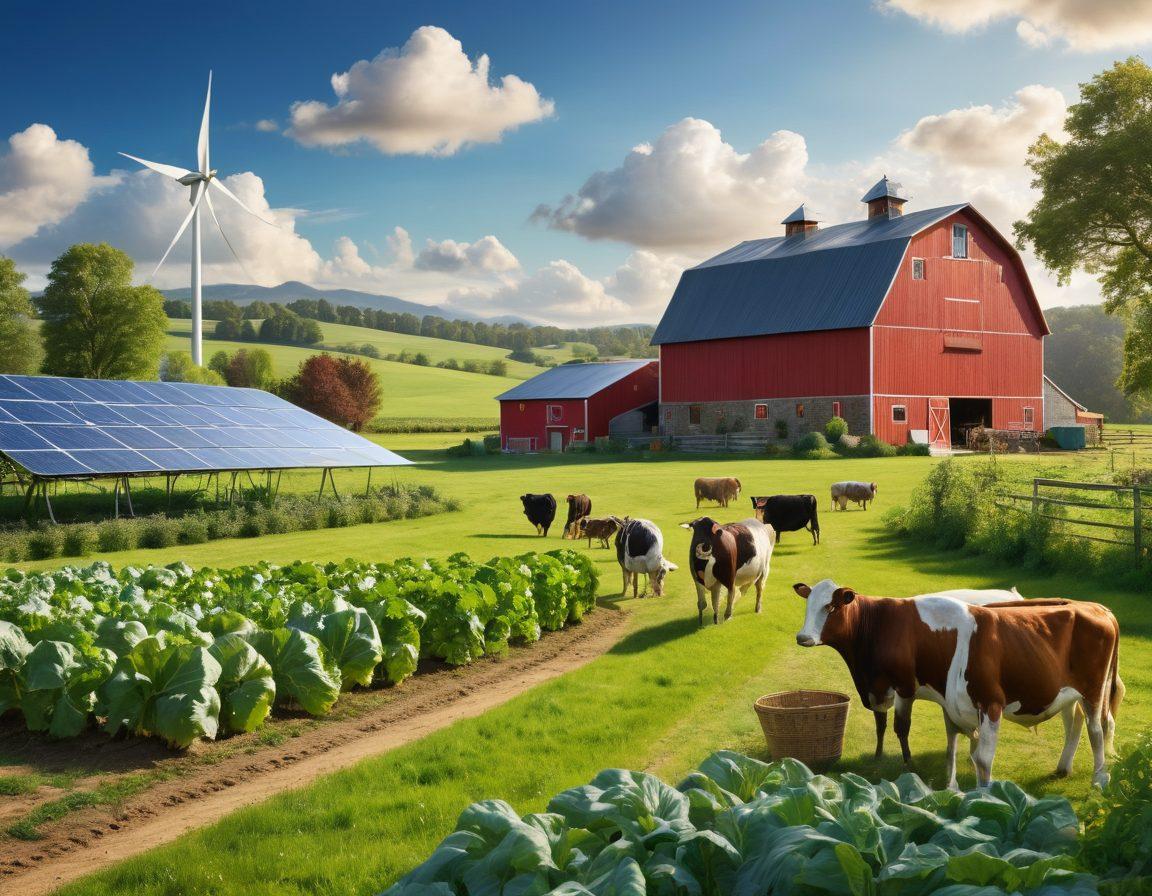
Transitioning to livestock, it’s crucial to consider not only animal husbandry practices but also how they impact the environment. Imagine a world where dairy farming and ranching are conducted with a focus on eco-friendliness, minimizing waste and maximizing pasture health. Community supported agriculture (CSA) initiatives have shown us the power of local food production, connecting consumers directly to farmers. By prioritizing sustainable practices, we can ensure the well-being of livestock while simultaneously advancing agricultural sustainability.
But what about the future? As we embark on the journey of sustainable farming, one question lingers: how will these farming techniques adapt to the changing climate? The answer lies in agroecology and permaculture principles, which emphasize working with nature rather than against it. By utilizing innovative farming resources and adopting practices like peri-urban farming, we can reclaim our connection to the land, nurture biodiversity, and achieve a productive farmstead that benefits both farmers and the community.
As we wrap up our exploration of eco-friendly farming practices, it’s clear that cultivating change goes beyond mere rhetoric; it requires action. Whether you're a seasoned farmer or a novice who dreams of starting your agribusiness, embracing sustainable agriculture practices can elevate the profession and ensure a greener planet for generations to come. With the right farm equipment, knowledge of harvest management, and a commitment to farming education, we can all contribute to a thriving and sustainable agricultural landscape. So, what small changes can you make on your farm today to create a brighter and more sustainable future?
Empowering Communities: The Role of Sustainable Practices in Rural Development
In the heart of every rural community lies a vibrant story of growth, resilience, and interdependence. As we embrace sustainable farming practices, we unlock a treasure trove of opportunities that significantly enhance rural development. Think of your favorite farm – that picturesque fazenda surrounded by lush crops, hardy livestock, and the promise of fresh produce at the local farmers market. This idyllic scene is more than just aesthetic; it’s a potent reminder of how sustainable agriculture can shape our communities and our futures. So, how can we continue to harness these eco-friendly practices to empower rural areas?
Sustainable farming is not just a trend; it's a revolutionary step toward reshaping how we think about agriculture. Picture crop rotation and permaculture as the unsung heroes, working invisibly beneath the surface, enriching soil management and enhancing farm productivity. These farming techniques are integral to maintaining the health of our ecosystems while ensuring that our farms continue to thrive financially. By adopting precision farming and agricultural technology, farmers can optimize their yields, making the most out of every inch of land and every season. Isn't it inspiring how technology meshes with tradition in this way?
Moreover, the rise of community-supported agriculture (CSA) platforms invites consumers to build a direct relationship with farmers. By investing in their local farm, community members not only secure fresh, organic produce but also take part in the rural economy's growth. Imagine a bustling farmers market, where conversations about sustainable practices abound and farmers share their experiences of organic farming and livestock management. It's a beautiful tapestry of connection, knowledge, and empowerment. How can you support this burgeoning movement in your own community?
Yet, the journey toward agricultural sustainability is not one that can be taken alone. Successful farm management and rural development rely on collaboration and sharing of farming resources. By forming networks, farmers can share knowledge about best practices in herb cultivation, pest management, and irrigation systems. For instance, peri-urban farming initiatives bridge the gap between urban residents and local farms, creating a new demand for eco-friendly farming that fuels both local economies and environmental stewardship. How can you contribute to creating a network of sustainable practices in your region?
Ultimately, creating a greener future through sustainable practices will empower communities and transform the landscape of rural development. Every farmstead, from small vegetable farms to larger ranching operations, can benefit from embracing agricultural sustainability. The heart of this transformation lies in education; teaching the next generation of farmers about sustainable agriculture practices ensures we keep passing down knowledge, innovation, and respect for our planet. Are you ready to be part of this change, to inspire others, and to cultivate a sustainable future for all?